Can Tradition Survive in a Market Driven by Speed?
For decades, heritage crafts have been viewed through the lens of nostalgia—beautiful reminders of the past, admired in museums and celebrated during cultural conversations.
But perhaps we have been asking the wrong question.
The challenge isn’t whether traditional crafts are relevant in today’s world.
The real question is: Can preserving heritage become a sustainable business model?
Beyond Preservation
Preservation is often mistaken for simply protecting what already exists.
In reality, preserving heritage crafts requires creating systems that allow artisans to thrive economically. Appreciation alone cannot sustain livelihoods. Admiration does not pay wages.
For centuries, India’s weaving traditions, embroidery techniques, and textile practices have survived because they were deeply integrated into everyday life and local economies. Crafts were not charitable causes—they were thriving enterprises.
Today, many of these traditions face an uncertain future as mass production prioritizes speed, volume, and lower costs.
If heritage is to survive, it must also compete.
The Business Case for Craft
Modern consumers are increasingly seeking authenticity.
They want to know who made their products, how they were created, and what stories lie behind them. In a marketplace saturated with identical offerings, craftsmanship offers something machines cannot replicate: individuality.
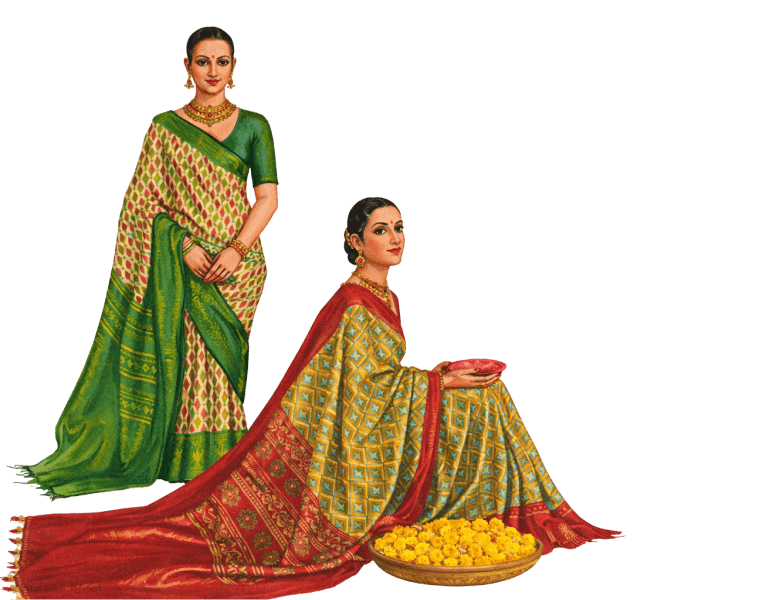
A handwoven saree is not merely a product.
It is expertise refined over generations.
It is time translated into artistry.
It is human connection woven into fabric.
Brands that embrace heritage crafts are not just selling garments; they are offering meaning, transparency, and emotional value.
And increasingly, consumers are willing to invest in that experience.
Innovation Without Erasing Identity
Preserving tradition does not mean resisting change.
It means adapting thoughtfully.
Contemporary silhouettes, digital storytelling, e-commerce platforms, and global audiences can coexist with centuries-old techniques. Innovation becomes powerful when it amplifies craftsmanship rather than replacing it.
The goal is not to modernize heritage until it becomes unrecognizable.
It is to ensure that heritage evolves without losing its soul.
Investing in People, Not Just Products
At the heart of every craft tradition are artisans whose skills are often inherited through generations.
Supporting heritage businesses means investing in fair opportunities, skill continuity, and dignified livelihoods.
When artisans can build stable futures through their work, younger generations are more likely to carry these traditions forward instead of abandoning them for necessity.
Preserving craft, therefore, is not simply about saving techniques.
It is about sustaining communities.
A Future Woven with Purpose
Perhaps heritage crafts do not need rescuing.
Perhaps they need reinvention through respect.
Businesses have the power to bridge the gap between tradition and contemporary relevance—transforming cultural preservation from an act of nostalgia into a model of sustainable growth.
Because when we choose craftsmanship over convenience, we do more than make a purchase.
We participate in keeping stories alive.
And the most meaningful businesses may not be the ones that create something entirely new, but the ones that ensure the wisdom of generations continues to find its place in the future.