What Our Wardrobes Are Really Costing the Planet
Fashion has always been a reflection of who we are. But in today’s world, it has also become a reflection of how quickly we consume.
A new trend appears, we buy it, wear it a handful of times, and move on to the next. The cycle feels harmless—until we begin to look at its environmental footprint.
The Price Tag We Don’t See
Fast fashion thrives on speed and volume. Thousands of new designs enter the market every week, encouraging consumers to buy more at lower prices. Behind this convenience lies an invisible cost: energy-intensive production, synthetic fabrics derived from fossil fuels, global supply chains, and enormous textile waste.
The carbon footprint of a single garment isn’t just created in a factory. It includes the cultivation or extraction of raw materials, manufacturing, transportation across countries, packaging, and eventually disposal. Multiply that by billions of garments produced annually, and the environmental impact becomes difficult to ignore.
Handloom: An Alternative Rooted in Sustainability
Handloom tells a different story.
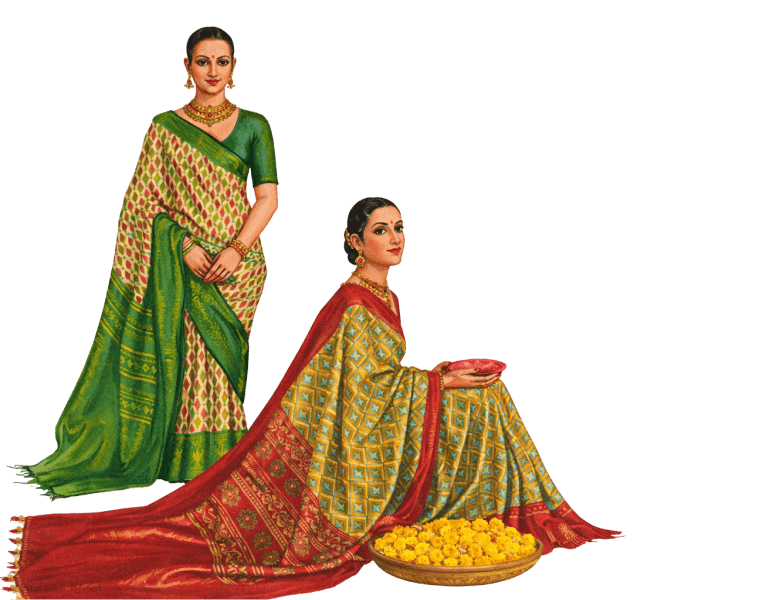
Created through skill, patience, and generations of craftsmanship, handloom textiles rely far less on mechanised processes. The production process often consumes significantly less energy and supports local ecosystems of artisans and small-scale businesses.
Each piece carries the mark of human hands rather than mass production lines. The slight irregularities in the weave are not imperfections; they are reminders that someone invested time, expertise, and care into creating it.
Handloom also encourages a slower approach to fashion—buying with intention, valuing longevity, and building wardrobes that last beyond seasonal trends.
Beyond Carbon Emissions
The conversation isn’t simply about choosing one fabric over another.
It’s about reconsidering our relationship with clothing.
Do we purchase because we genuinely need something, or because constant trends have normalised overconsumption? Are we investing in pieces we cherish, repair, and rewear, or treating clothing as disposable?
Sustainability is rarely about perfection. It is about making more conscious choices, one decision at a time.
A Different Way Forward
Perhaps the future of fashion doesn’t lie in producing more.
Perhaps it lies in remembering what we already knew: that craftsmanship has value, that durability is desirable, and that clothes can carry stories instead of expiry dates.
Fast fashion offers immediacy.
Handloom offers intention.
And in an era defined by climate conversations, the choices hanging in our wardrobes may say more about our values than our style.
Because the most sustainable garment isn’t always the newest one-it’s the one chosen thoughtfully and worn with care.